
Every building has something hidden in it. We don't pretend otherwise. We tell you up front what is fixed, what depends on what we find, and exactly how we will price it.
That clarity protects you better than any "fixed price" promise.
Why nobody can foresee everything
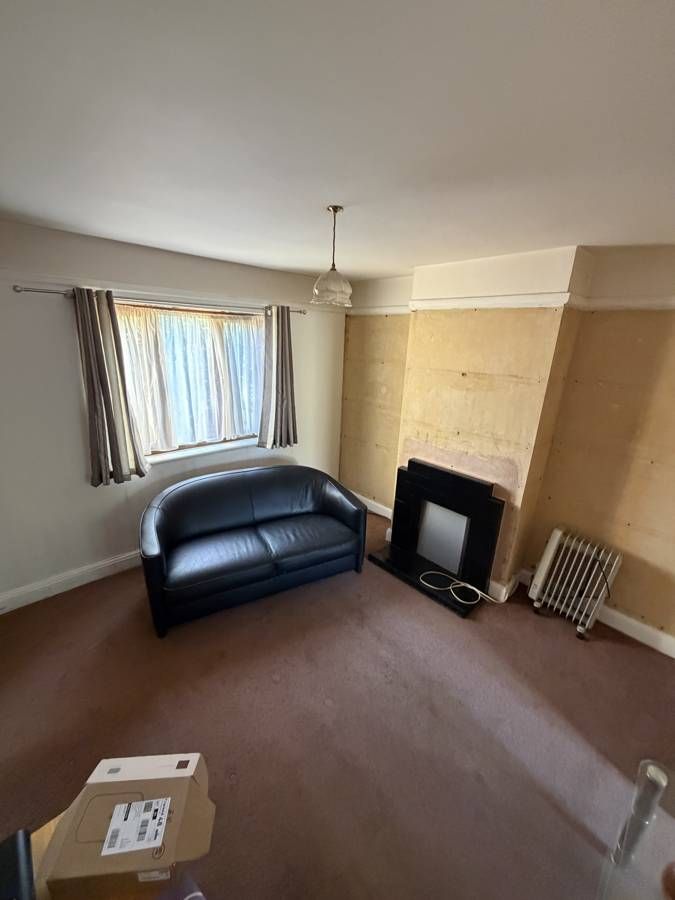
A house is hundreds of materials, built and repaired by different people over decades, and most of it is hidden behind plaster, floorboards and carpet. Before a contract is signed, you can't lift every board, strip every wall or open every service run. That would mean doing half the job before agreeing to do it.
So every honest refurbishment price carries an element of dependency. That is why the industry works on estimates, and the law allows for it. Under the Consumer Rights Act 2015, where a price isn't fixed in advance you only pay a reasonable price (s.51) for work done with reasonable care and skill (s.49), and what we tell you in writing before you sign becomes part of the contract (s.50). Our job is to make the estimate as accurate as possible, and to be completely open about the parts that can move.

Three categories, made clear from day one
Every proposal comes with a plain-English Client Expectations sheet that sorts the work into three groups.
Included
The work you are buying, itemised line by line with quantities and day rates. It does not change unless you change it.
Not included
Things we have specifically left out, such as external works or paint supply, so nobody is making assumptions.
Dependencies
Items that can change because of what we find or what you choose: hidden condition, waste volumes, selections, supplier specifications and storage time.
Dependencies, unforeseen items and changes
| Type | What it means | How it is priced |
|---|---|---|
| Dependency | Flagged in the proposal as something that may move, such as waste volume or the condition of floors behind coverings. | The allowance shown, adjusted to the actual quantity. |
| Unforeseen | A hidden defect found once the work is opened up: a leak behind a panel, rotten posts, unsafe wiring. | Our published day rates, with materials at cost. |
| Change | Something you choose to add or alter, such as French doors or a different finish. | A written change order, agreed before the work goes ahead. |
The rules behind it
On a domestic project, the Construction (Design and Management) Regulations 2015 pass the client's safety duties to us as the contractor (Reg. 7). We must plan and manage the work so it is safe (Reg. 15), keep the place of work safe (Reg. 17) and make existing electrical installations safe (Reg. 25). When we find a hazard, such as unsafe wiring, a leak, broken boards or a failing post, we cannot leave it in place and we will not cover it up.
Electrical work is carried out and certified under the Building Regulations (Part P) and BS 7671, and gas work only by Gas Safe registered engineers.
Why clear day rates beat a "fixed price"
A fixed price on an old house is only fixed until the first surprise. Then it becomes a negotiation, usually on site, usually under time pressure, and usually with a contractor who has already priced a hidden margin into the job to cover risk. You pay for that risk whether or not it happens.
We work the other way round:
- Published day rates. The same rate is used in the proposal and for any unforeseen item, so every extra can be checked against the original quote.
- Materials at cost. Where we buy something on your behalf, we pass it on at cost and say so.
- Show, then price. When we find a problem we show it to you, with photos if you are not on site, explain the options and give you the price before we carry on, wherever it is safe to pause.
- Credits as well as extras. If something comes out of scope, or we find a better and cheaper way, you get the money back.
We show you the problem and we show you the price. That is why we don't have disputes on site.
One team, qualified trades, no delays
We work with an established network of qualified trades: electricians, plumbing and heating engineers, plasterers, decorators, carpenters and groundworkers. They work on the same clear day rates and to one programme, so:
- you don't need to find, vet and coordinate separate contractors for electrics, gas, plastering, decorating or groundworks;
- a problem found by one trade can be dealt with by the next straight away, instead of waiting weeks for someone new;
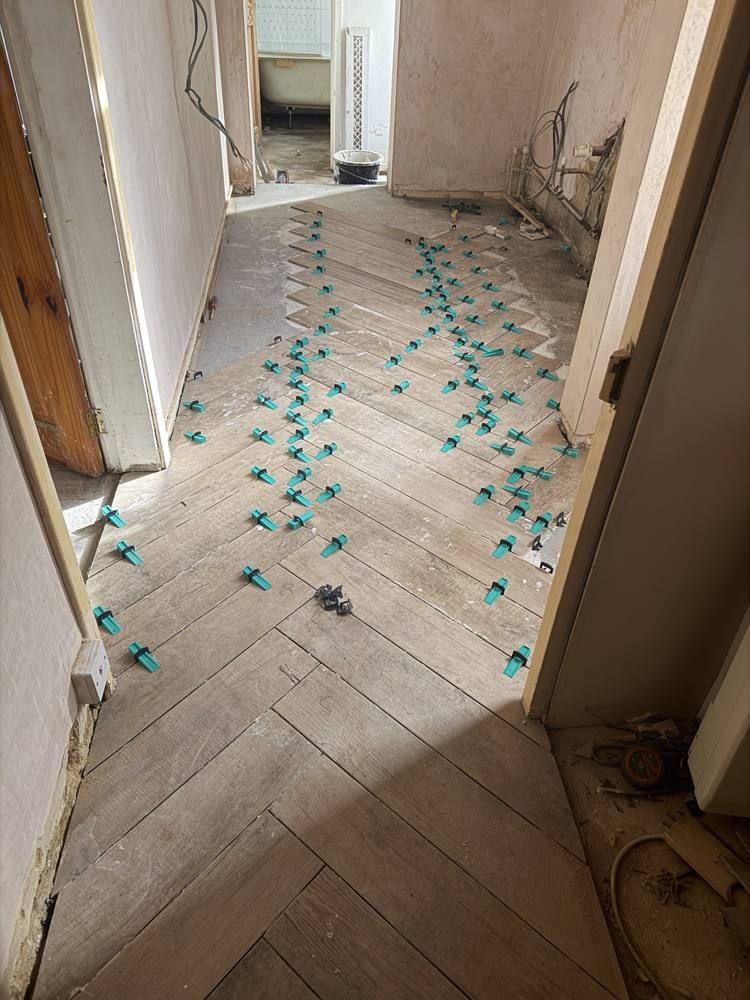
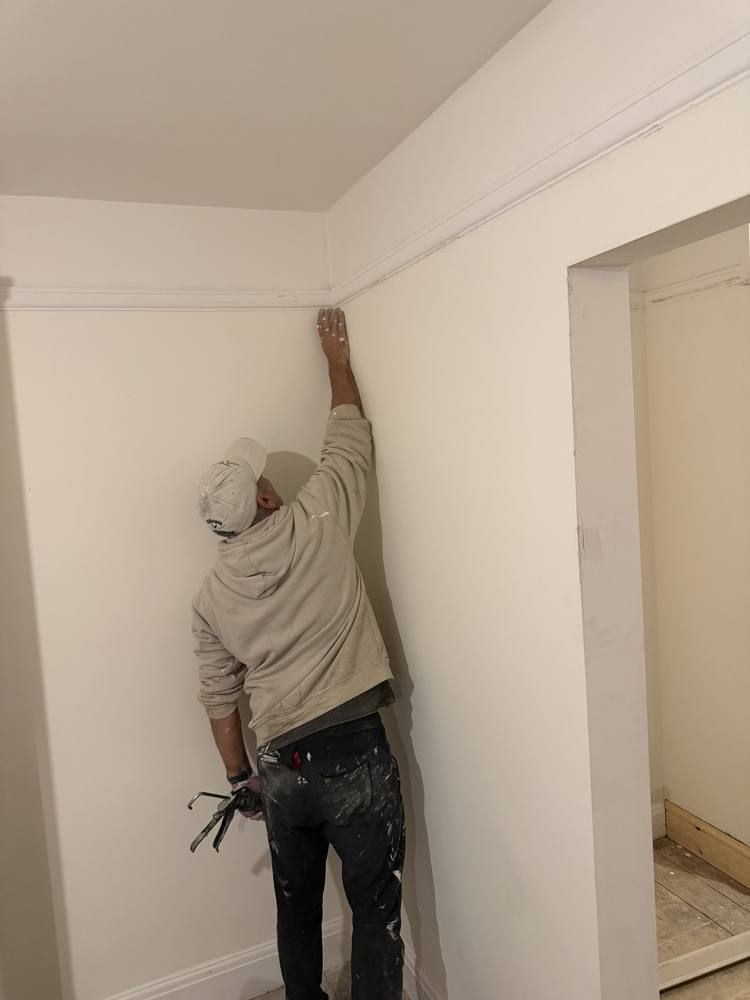
- the work is sequenced properly (floors levelled before tiling, walls mist coated before decorating), so nobody undoes anyone else's work;
- certification and sign-off are handled by us, in one place.

How we manage your project
- Survey and briefing. A measured survey, a photographic condition record and room-by-room schedules.
- Itemised proposal. Every line costed, with day rates, quantities, exclusions and dependencies set out.
- Staged payments. Each stage is funded before it starts, so materials and trades are booked on time, with a retention held until handover.
- Live updates. Photos and decisions as the work goes, so you see what we see.
- Change orders in writing. Your choices are priced and agreed before they go ahead.
- Open final account. Every credit and every addition explained, with photos, in one document.
- Joint inspection and sign-off. The final balance is only due once we have walked the job together and any snags are fixed.
Managing the unexpected
Every project has unforeseen costs. The difference between a stressful job and a calm one is how they are planned for. This is what we tell every client:
- Hold a contingency. Keep 10–15% of the build cost aside for an older house, and more if it has been empty or neglected. If you don't need it, it's yours.
- Open up early. The sooner floors, walls and services are exposed, the sooner the real picture is known.
- Decide quickly. Delays in choosing kitchens, tiles or finishes cost more than the choices themselves.
- Ask for options, not just a price. There is often a cheaper or better route. On Barton Road, changing the floor approach saved money.
- Keep a priority list. Know which nice-to-haves you would drop if a must-have turns up.
- Keep everything in writing. Photos, messages and change orders protect both sides and keep the final account simple.
A professional attitude
All of this comes from one place: treating your project, and your money, professionally. We would rather have an honest conversation at the start than an argument at the end. Clear rates, clear categories and a clear record mean you always know where you stand.
The legal references on this page are a general summary for England, not legal advice.
See it in practice in the Barton Road case study, or book a free site visit.