
The former Master Mariner pub on Perne Road, Cambridge, brought back to life as a Chinese restaurant and pub. The building was old and badly dilapidated, so instead of guessing at a fixed price we agreed a day rate and managed our trades network against it.
The client could see every stage of the project as it went, and decide what came next with the price in front of them.
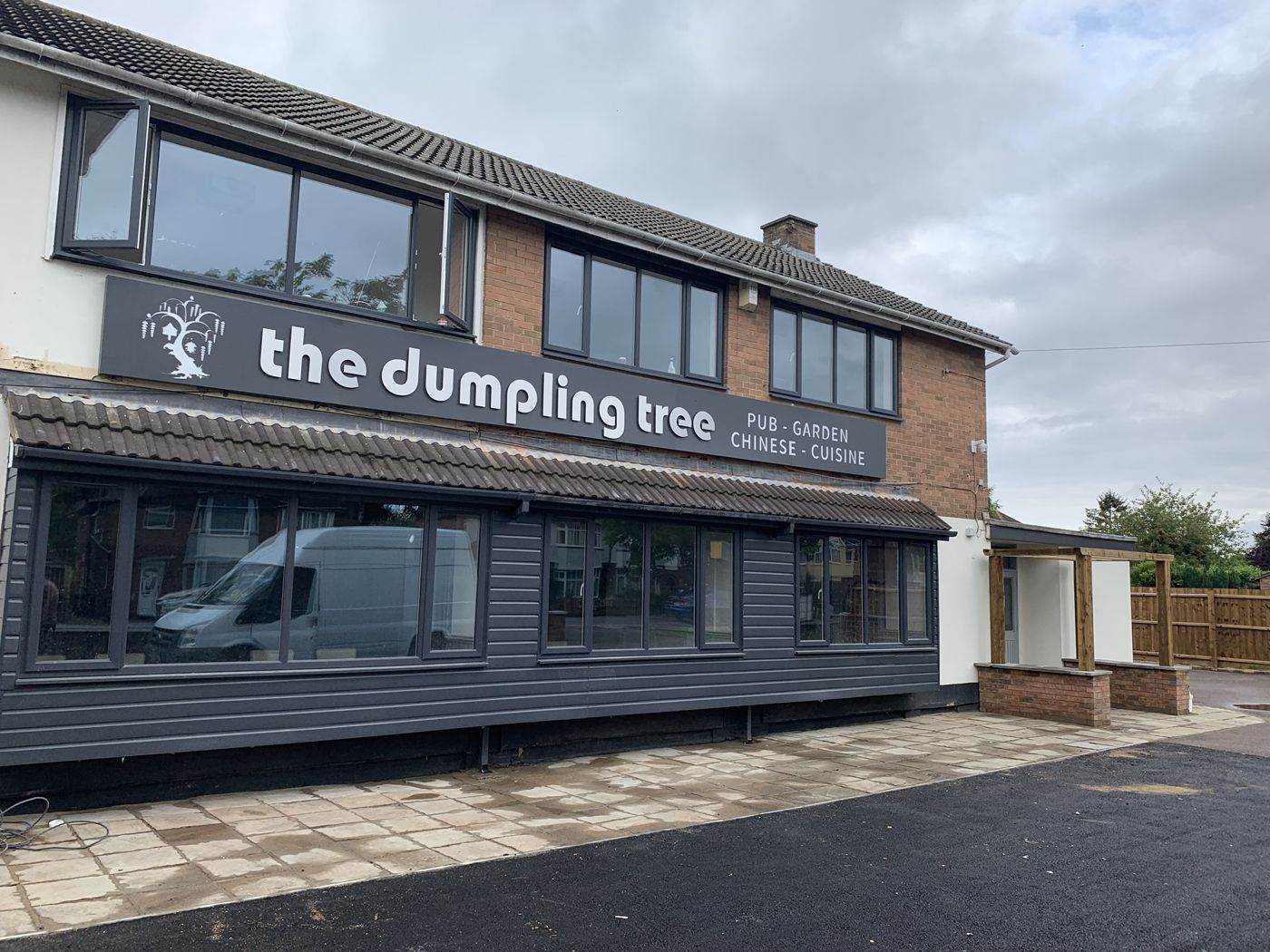
An old pub, a new restaurant
The client wanted to turn a tired, dilapidated pub into a Chinese restaurant with a pub and garden, keeping the character of the old building and the bar. The building had been neglected for years, and almost every area would turn out to need more work than could be seen at the start.
Why a day rate was the right contract
On a building in this condition, a fixed price would either have been padded with risk margin or argued over every time something new was found. An agreed day rate, with our trades managed against it, was simply the easiest and fairest way to run the job.
- The client saw each stage. As each area was opened up, the client saw what we found and agreed the next step.
- No hidden margin. The client paid for the work that was actually needed, not for a contractor's guess at the risk.
- One managed team. Our network of qualified trades moved straight from one stage to the next, without waiting for new contractors.
- Decisions in real time. Where an area needed extra work, the client could choose to go ahead, change the approach or hold off.
Restoration, partitions and paint
The work covered the interior and the exterior. Inside, we erected Chinese-style lattice partitions throughout the restaurant, carried out significant painting across the walls, panelling, joinery and ceilings, restored the original bar, and prepared the floors for new flooring. We also advised the client on design issues throughout the project, from layout to finishes.


The rules behind the job
The building was so dilapidated that a fixed scope could never have been written in advance. We agreed a day rate with the client and managed our network of trades against it. The client saw every stage as it happened and decided what came next, with the price in front of them.
How the project ran, step by step
- 01SurveyMeasured survey and photo record of the condition found.
- 02Itemised estimateEvery line on published day rates, with quantities.
- 03Expectations sheetIncluded, not included and dependencies, set out in colour.
- 04Open upHidden conditions are found as the work is exposed.
- 05Show and pricePhotos, options and the price, on the same day rates.
- 06Change orderYour choices agreed in writing before they go ahead.
- 07Final accountEvery credit and addition explained, with photos.
- 08Sign-offJoint inspection, snags fixed, then the balance is due.
The Client Expectations sheet
Included
Labour at the agreed day rate, management and coordination of our trades network, design advice, and materials passed on at cost.
Not included
Items the client sourced directly, such as furniture, bar equipment and signage, and anything the client chose not to go ahead with at each stage.
Dependencies
The true condition of floors, walls, services and the exterior, which could only be known stage by stage as each area was opened up.
Dependencies, unforeseen items and changes on this job
| Type | What it means | On this project | How it was priced |
|---|---|---|---|
| Dependency | Flagged up front as something that may move. | The extent of repairs in each area of the old building, confirmed stage by stage before the work went ahead. | The allowance shown, adjusted to the actual quantity. |
| Unforeseen | A hidden defect found once the work was opened up. | Many areas of the old pub needed more work than could be seen at the start. Each one was shown to the client and priced on the agreed day rate. | The same published day rates, materials at cost, recorded with photos. |
| Change | Something the client chose to add or alter. | Design decisions made with the client as the project took shape, including the Chinese-style partitions and the finishes throughout. | A written change order, agreed before the work went ahead. |
How we used the law to protect the client
CDM Regulations 2015
- Reg. 4: on a commercial project the client keeps its own CDM duties (unlike a domestic job under Reg. 7). We supported those duties as the contractor managing the trades.
- Reg. 8: competent trades only. Qualified electricians, plumbers and Gas Safe engineers did the specialist work.
- Reg. 15: plan, manage and monitor the work so it is safe. A hazard we find cannot be left in place.
- Reg. 17 and 18: a safe, orderly and secure site, including boundaries and access.
- Reg. 25: existing electrical installations identified, checked and made safe.
An old pub building in poor repair carries real hazards. Planning each stage, and making existing services safe before new work started, kept the site safe.
Consumer Rights Act 2015
- s.49: reasonable care and skill. Defects were put right, not covered over.
- s.50: what we told the client in writing before work started is part of the contract.
- s.51: where a price is not fixed in advance, only a reasonable price is payable. Published day rates make every line checkable.
- s.52: work done within a reasonable time. A managed trade network avoids weeks of waiting.
The client was a business, so the Consumer Rights Act did not strictly apply. We worked to the same standard anyway: reasonable care and skill, reasonable prices on published rates, and reasonable time.
Change orders
- Client choices are priced and approved in writing before they go ahead.
- Safety items found mid-job are dealt with straight away, then shown and priced on the same day rates.
- Credits are given in full when something comes out of scope.
- Nothing is hidden until the final invoice. Each item is recorded as it happens.
Working stage by stage meant every decision was made with the cost in view, so there was nothing to dispute at the end.
A general summary of the law in England, not legal advice. See How we work for more.
The former Master Mariner is now open as a Chinese restaurant and pub, with its bar restored, the restaurant laid out with Chinese-style partitions, and the building repainted inside and out. The client knew what every stage cost before it started, and there was nothing to argue about at the end.
On a building this old, the honest answer is: we don't know yet. A day rate, managed properly, turns that into a project the client can see and control.
Taking on an old or neglected building? See how we price and manage projects, or book a free site visit.